Smart lighting “systems” really come down to two decisions: bulbs vs wall controls, and what wireless standard you’re betting on (Wi‑Fi/Matter for simplicity vs hub-based Zigbee for scale/reliability). Since you want moods + schedules from your phone without rewiring, smart bulbs and plug-in lamps/strips are the cleanest path; smart dimmers are the best “whole-room” experience but involve swapping a wall switch (not full rewiring, but it is electrical work).
Below are the strongest, most proven ecosystems in our catalog—and the exact trade-offs that matter.
My top picks (systems that work well for moods + schedules)
Best overall system (most reliable + best scenes/ecosystem): Philips Hue
If you want the “it just works” experience across lots of lights/rooms (and you’ll likely expand over time), Hue is still the safest bet—especially once you add a Hue Bridge for better automations and reliability.
- Start with: Philips Hue A19 color bulbs + Hue ecosystem picks (starting at $45.00 for 4 results)
- Why it wins: very strong app/scenes, broad device lineup (bulbs, bars, strips, portable lamps), and excellent long-term ecosystem depth.
- What to know: pricier; some advanced features are best with a hub/Bridge (even if Bluetooth works for a small setup).
- Deal note: ⚡ DEAL ALERT on Hue Play Bar 2-Pack (from $138.00 - 8 sellers) (22% off). Also a big deal on Hue Go portable lamp (from $45.00 - 6 sellers) (50% off).
Best value “no hub” approach (simple Wi‑Fi bulbs): TP‑Link Tapo/Kasa
If you want good app control + schedules at a lower cost, and you’re mostly doing standard bulbs/strips, TP‑Link is a strong, straightforward option.
- Great starter/value options: TP‑Link Tapo/Kasa smart lighting (starting at $9.60 for 5 results)
- Why it wins: strong value, easy setup, solid app control and scheduling.
- What to know: Wi‑Fi devices can be a bit less “set it and forget it” than hub-based systems when you scale to lots of bulbs.
Best “feels like normal lighting” control (best dimming): Lutron Caséta / Diva Smart Dimmer
If your priority is smooth dimming and making a whole room behave consistently from the wall and from your phone, Lutron is excellent.
- Strong picks: Lutron smart dimmers and starter kit (starting at $64.95 for 3 results)
- Why it wins: reliability + dimming quality; great for living spaces where you mainly want warm dimming moods and schedules.
- What to know: this is typically a switch replacement (not “rewiring the house,” but it’s more involved than screwing in bulbs). For many setups you may also want the Lutron hub kit.
How to choose quickly (based on your home + goals)
If you want color “moods” (movie night, party, accent lighting)
Pick Hue first; TP‑Link if budget is the main constraint.
- Hue also shines for “entertainment” lighting like bars/strips: Hue Play Bar 2-Pack (from $138.00 - 8 sellers)
If you mostly want scheduled dimming (wake-up, evenings, bedtime) and wall control
Pick Lutron for the most natural daily experience.
If you’re starting small (1–5 lights) and want the simplest install
Start with Wi‑Fi bulbs (TP‑Link) or Hue Bluetooth—then decide later if you want a hub-based setup for scale.
Side-by-side (best systems in one view)
| Decision factor | Philips Hue starter + bulbs + accents  |
TP‑Link Tapo/Kasa bulbs + strips 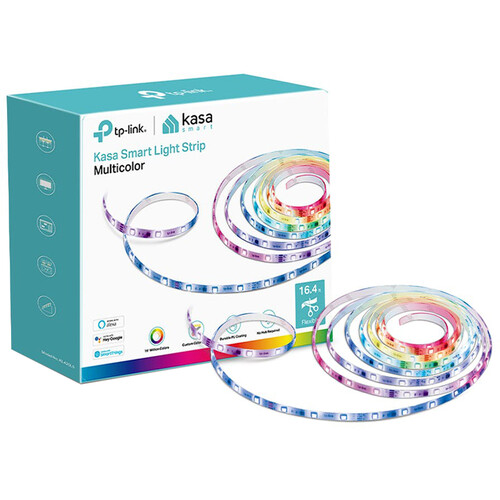 |
Lutron Caséta/Diva smart dimmers + hub kit  |
|---|---|---|---|
| Price (typical starting point) | $79.99 | $59.99 | $84.95 |
| Sifty Score | 96 | 90 | 94 |
| Best for | Most polished “whole-home” smart lighting with great scenes + expansion | Best value, simple Wi‑Fi control for bulbs/strips | Best daily usability + dimming quality for main room lights |
| “No rewiring” fit | Excellent (bulbs/lamps/strips) | Excellent (bulbs/strips) | Medium (usually a switch swap, not full rewiring) |
| Connectivity style | Bluetooth to start; scales best with Zigbee + (typically) Bridge | Wi‑Fi (simple, no hub) | Smart dimmers + (often) hub for full smart features |
| Moods/scenes | Best-in-class scene ecosystem | Good scenes/features for the price | More about dimming levels than colorful scenes |
| Scaling to many devices | Excellent (hub-based scaling is a big advantage) | Good, but lots of Wi‑Fi devices can get messy | Excellent for “room/whole-home” lighting consistency |
| Gotchas | Premium pricing; some features best with Bridge | Wi‑Fi reliability varies by network; fewer “pro” scene options than Hue | Installation is more involved than bulbs; confirm compatibility for your wiring |
What I’d pick for you
If your goal is “set moods + schedules everywhere and grow over time,” I’d start with Philips Hue bulbs + starter ecosystem (starting at $45.00 for 4 results)—it’s the most consistently satisfying system long-term. If you want a lower-cost on-ramp, go TP‑Link Tapo/Kasa (starting at $9.60 for 4 results). If your priority is your main lights feeling perfect every day, go Lutron dimmers (starting at $64.95 for 3 results) (with the understanding it’s a switch swap).
Before I narrow you to a single best “starter cart,” what matters most in your setup? Mostly color moods) Mostly daily dimming + schedules) Mix of both
See 33 results